
Electrical Reliability
for Data Centers
Gain continuous visibility into your electrical infrastructure with engineered electrical safety technologies designed for modern data centers.
✓ Reduce electrical safety risks
✓ Maximize uptime and system availability
✓ Protect critical power infrastructure
Power Reliability is Non-Negotiable
Modern data centers depend on uninterrupted power to support critical digital infrastructure. Even minor electrical issues can result in service interruptions, equipment damage, lost revenue, and reputational risk.
As facilities grow in complexity and density, operators require greater visibility into electrical system health while maintaining the highest standards of safety and reliability.
I-Gard technologies help data center operators detect problems early, improve fault management, verify electrical safety, and support continuous operation of mission-critical systems.
Electrical Challenges in Data Centers
Constant Uptime
Electrical faults and unplanned outages can disrupt critical operations and impact service availability.
Personnel Safety
Maintenance teams require safe methods for verifying de-energized conditions while minimizing exposure to energized equipment.
Hidden Ground Faults
Undetected ground faults can compromise system reliability and increase the likelihood of equipment damage.
Power System Reliability
Operators need real-time insight into system health to identify developing issues before they become failures.
Supporting Compliance & Best Practices
Data center electrical systems are commonly designed and maintained in accordance with:
Always consult applicable standards and project requirements when desigining electrical systems.
Reliability Starts with Visibility
In mission-critical environments electrical issues must be identified before they impact operations. By combining grounding technologies with advanced monitoring solutions, operators gain the information needed to make proactive decisions rather than reacting to failures.
Proper grounding and continuous monitoring helps operators:
• Detect faults early
• Improve system reliability
• Reduce equipment damage
• Simplifiy troubleshooting
• Support maintenance planning
• Enhance personnel safety
Avoid Downtime with the Right Solutions
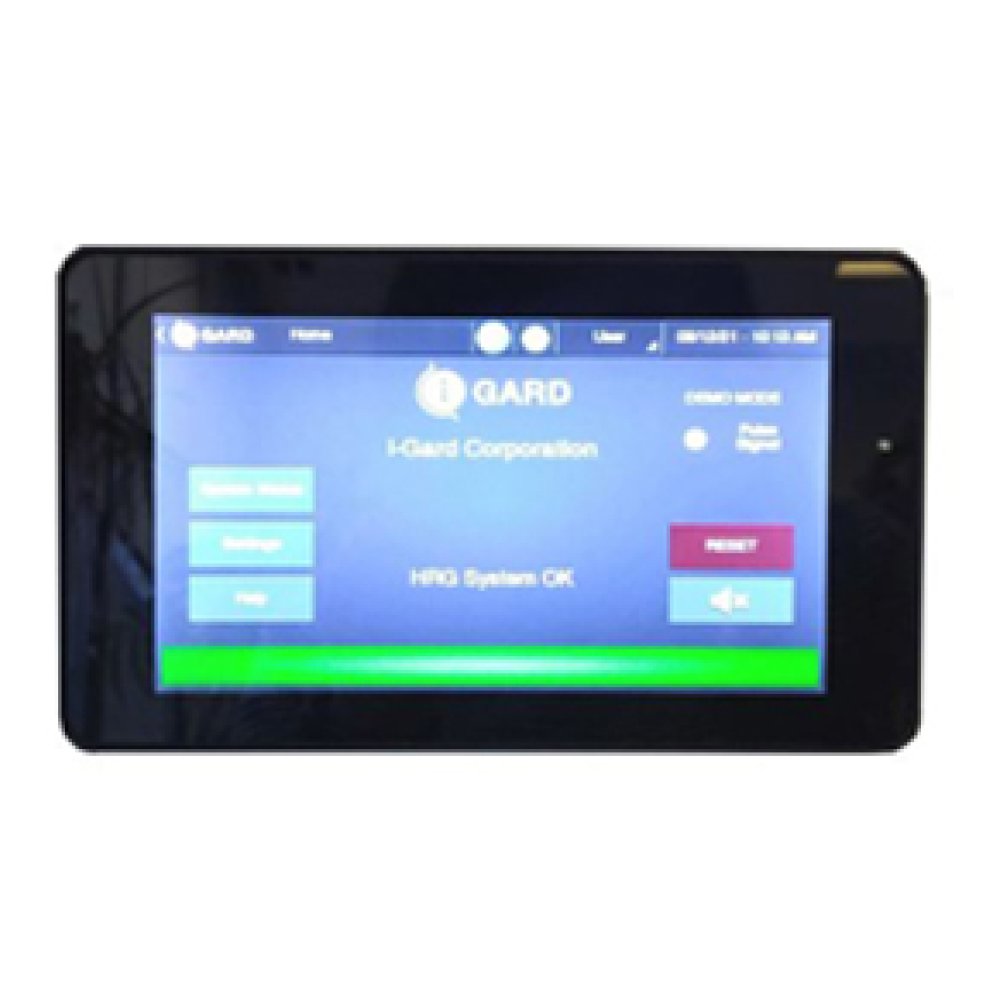
Continuously monitors resistance-grounded electrical systems and provides advanced ground fault detection, alarming, and fault location capabilities. When a ground fault occurs, the system identifies the affected feeder and phase while providing pulsing functionality to help maintenance personnel quickly locate the faulted circuit without disrupting operations.
Installed on high-resistance grounded distribution systems serving critical power infrastructure such as switchgear, UPS systems, power distribution equipment, and electrical rooms where rapid fault identification and continuous operation are essential.
Primary Benefit: Reduce fault investigation time and maintain operational continuity.
Control fault current levels and help protect generators, transformers, and critical electrical infrastructure from damaging ground-fault conditions.
Used on generator neutrals, transformers, and medium-voltage power systems.
Primary Benefit: Reduce equipment stress and improve overall system reliability.
Provide permanently mounted absence-of-voltage verification, allowing qualified personnel to confirm equipment is de-energized before opening electrical enclosures.
Installed on switchgear, UPS systems, PDUs, RPPs, and critical distribution equipment where maintenance activities occur regularly.
Primary Benefit: Improve personnel safety while reducing the complexity of voltage verification procedures.
Provide controlled electrical loads to test generators, UPS systems, and backup power infrastructure under real operating conditions.
Used during commissioning, preventative maintenance, and performance verification of standby power systems.
Primary Benefit: Verify backup power reliability before it is needed.
Protects grounding resistors and associated equipment from transient over voltages caused by switching events, lightning activity, and other electrical disturbances. By limiting damaging voltage spikes, the ZORC helps improve the reliability and longevity of critical power system components.
Applied on generator systems, transformer installations, and resistance-grounded power systems where sensitive electrical infrastructure requires protection from transient voltage events.
Primary Benefit: Minimize the risk of equipment damage and unexpected outages caused by transient voltage events.
Continuous monitoring of high-resistance grounded electrical systems, helping operators quickly identify ground fault conditions and maintain visibility into the health of critical power infrastructure.
Used in mission-critical power distribution systems, generator installations, and switchgear lineups where maintaining uptime and quickly identifying electrical issues are essential.
Primary Benefit: Deliver real-time fault monitoring and system visibility to identify issues early and maintain continuous operation of critical infrastructure.
High Resistance Grounding for Data Centers
A constant issue facing data centers is electrical reliability. Significant focus, attention and capital are applied to backup power systems, which include generators, batteries and UPS. These systems protect critical processes and power factor correction equipment but an often-overlooked issue remains electrical ground faults. It has become standard for data centers to utilize high-resistance grounding as the method of choice. Originally, high-resistance grounding as a technology was applied to process industries as diverse as food processing, mining and petrochemical. In the last 10 years it has been increasingly applied to commercial installations such as airports, data centers and hospitals to enhance the reliability and uptime of power distribution equipment.

How HRG Systems Work Today
The original HRG system developed in the 1950’s and 1960’s provided process continuity, however, they were unable to solve potential safety issues, such as a second ground fault, leaving the ground on the system too long and monitoring of the neutral path.
However, the modern relay can be programmed to prevent this and only shunt-trip the lesser priority feeder, leaving the more important feeder on-line.
Why Data Centers Choose I-Gard
For more than 40 years, I-Gard has helped organizations improve electrical safety, system reliability, and operational performance through engineeringdriven solutions for critical power applications. By manufacturing both the current-limiting resistor and ground fault relay in-house, we deliver fully integrated solutions that are tested as a complete system to ensure quality, reliability, and performance.
Our engineering team works closely with consultants and end users to develop solutions tailored to specific system requirements, operating environments, and project objectives. With the industry’s broadest range of high-resistance grounding solutions, from economical designs to advanced monitoring technologies, I-Gard helps data center operators improve fault detection, enhance reliability, and support safer electrical systems.
From specification support and system design through training and commissioning, we stand behind every solution we provide, giving customers confidence in the safety and performance of their critical electrical infrastructure.
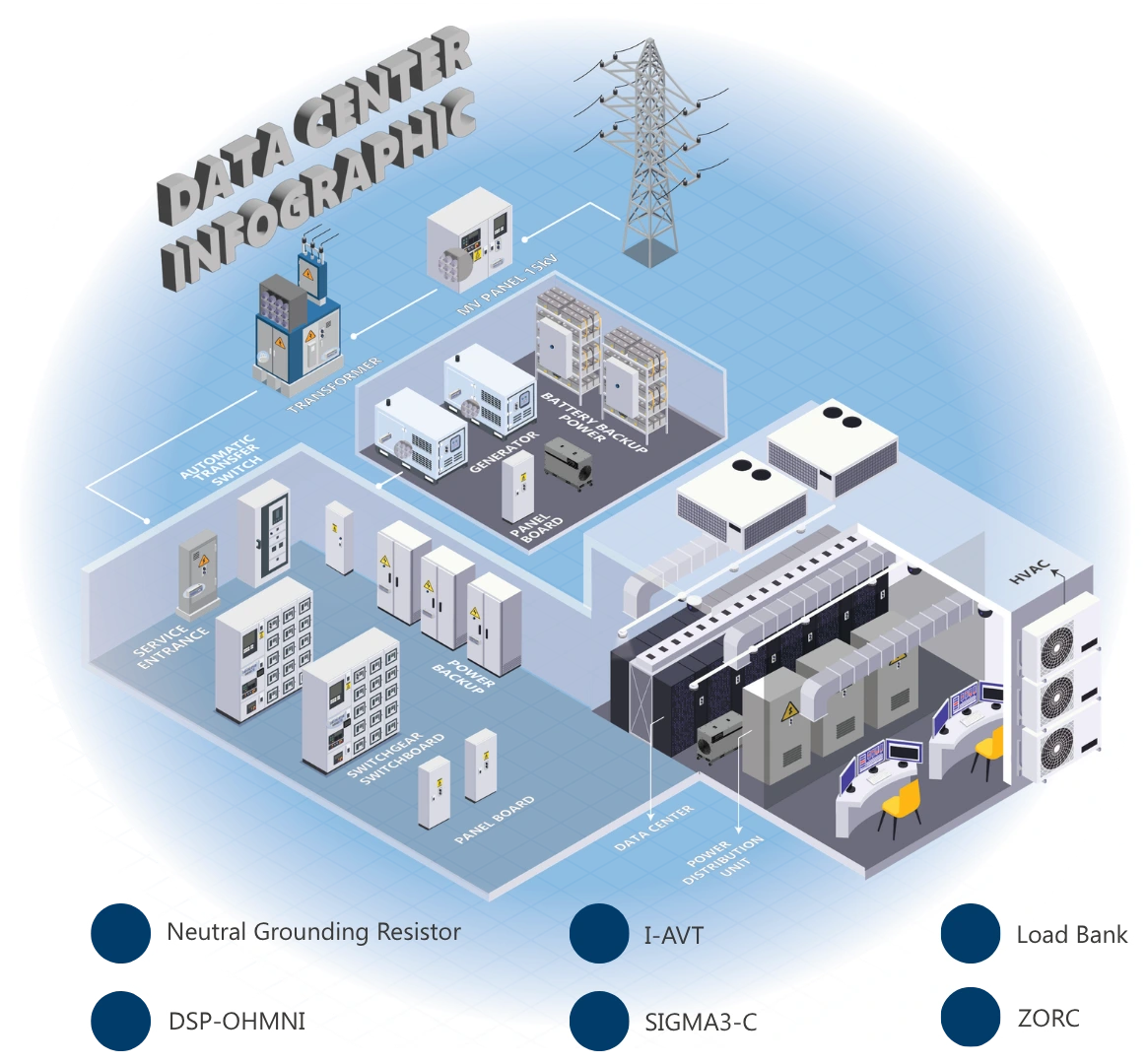
Build a More Reliable Electrical Infrastructure in Data Centers
Whether you’re designing a new facility, expanding capacity, or improving operational resilience,
I-Gard can help identify the right electrical safety and reliability solutions for your application.