
Arc Flash Relays
Once an Arc Flash starts, more energy builds up every millisecond.
Arc Flash is the rapid release of energy from an arcing fault between phases, between a phase and neutral, or between a phase and ground. It appears as a discharge of electricity between two or more conductors, and it produces large amounts of pressure, heat and light all at once. The energy released is proportional to the voltage, the current, and how long the arc is allowed to burn.
An arc propagates at roughly 30 meters per second, burning and consuming whatever is in its path. It keeps burning for as long as there is enough power behind it to sustain it. The only way to stop it is to detect it and trip an interrupting device to isolate it. The faster “something is tripped”, the less energy gets released.
Most arc flash events do not start as arc flash events. Hey start as smaller faults, often on the ground path. Common causes include physical contact from foreign objects falling on bus bars, moisture, dust and other contamination building up over time, ordinary wear and tear, loose connections that arc in place, and insulation breakdown. Once an arc does occur, the hazards it creates go well beyond the initial shock (intense thermal energy, a blast, pressure wave, sound loud enough to cause hearing damage, flying shrapnel from vaporized metal, and toxic vapors). All posing huge risks to personnel.
The relationship that matters is simple even though the physics behind it is not: energy released scales with how long the arc is allowed to burn. Voltage and current are already properties of any system. Duration is the one variable we can control. Arc flash relays detect the onset of an arc flash and trigger immediate breaker operation, helping minimize incident energy and protect both personnel and equipment.
I-Gard limits duration using two different methods for detecting the problem:
Sentri
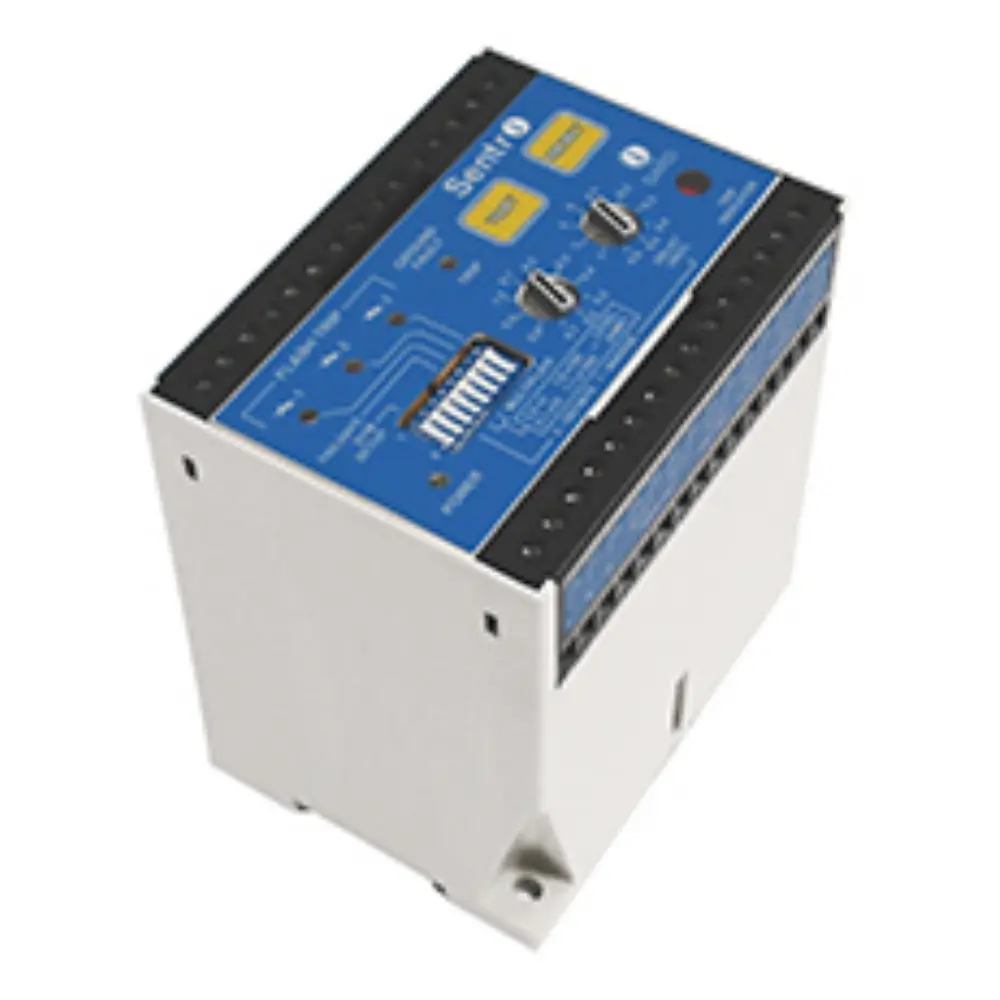
A ground fault relay first, with arc flash detection built in.
Arc-i-Tec
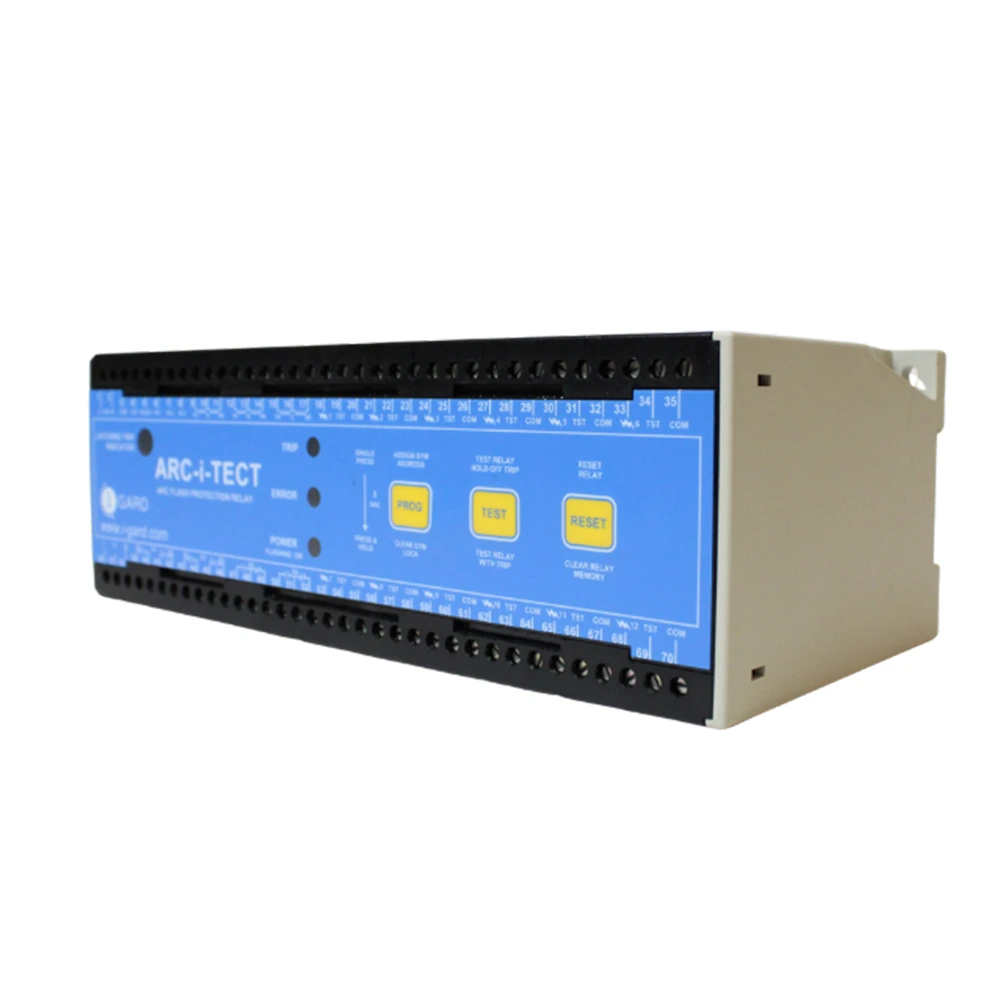
A dedicated arc detection system