
High Resistance
Grounding Systems
95% of industrial electrical faults begin as single phase-to-ground faults. Without effective control of the resulting current, they can lead to unplanned downtime, equipment damage, insulation stress, and an increased risk of arc flash.
High Resistance Grounding (HRG) limits ground-fault current by placing a resistor between the system neutral and ground. This allows the first fault to be detected and corrected while maintaining system operation.
Why High Resistance Grounding?
The primary difference between grounding methods is how they respond to a first phase-to-ground fault. Solidly and low resistance grounded systems typically clear the first fault by tripping protective devices, interrupting the process and exposing equipment to higher fault currents. Ungrounded systems allow continued operation but are susceptible to transient overvoltages and can make fault location more difficult.
High Resistance Grounding limits ground-fault current while allowing the first fault to be identified and corrected without an immediate shutdown. The result is improved operational continuity, reduced equipment stress, and enhanced protection of the electrical distribution system.
High Resistance Grounding Provides Four Important Benefits:

Control Transient over-voltages
By providing a controlled path to
ground, HRG eliminates the
transient overvoltages associated
with ungrounded systems,
helping protect insulation and
electrical equipment.

Maintain Process Continuity
On the first phase-to-ground
fault, HRG allows the process to
continue operating while the
fault is identified and corrected,
avoiding unnecessary
production interruptions.

Reduce Arc Flash Risk
By limiting ground-fault current
to a low, controlled value, HRG
reduces the likelihood that a
first phase-to-ground fault
escalates into a more
destructive electrical event.

Reduce Equipment Damage
Controlling ground-fault
current helps reduce thermal
stress and minimize faultrelated
damage to electrical
equipment.
Three Solutions. One Clear Path.
High Resistance Grounding is our engineering focus. Every I-Gard HRG system is built on the same proven grounding principles, with increasing levels of monitoring, redundancy, and intelligent control to meet the demands of different industrial power systems.
Sleuth provides dependable industry-standard HRG. Gemini adds fail-safe grounding continuity through a redundant resistor circuit. Sentinel delivers advanced SMART monitoring, fault management, and system visibility for critical applications.
All three solutions are available in a NEMA-rated wall-mounted enclosure or as a pre-wired OEM backplate kit for switchgear integration.
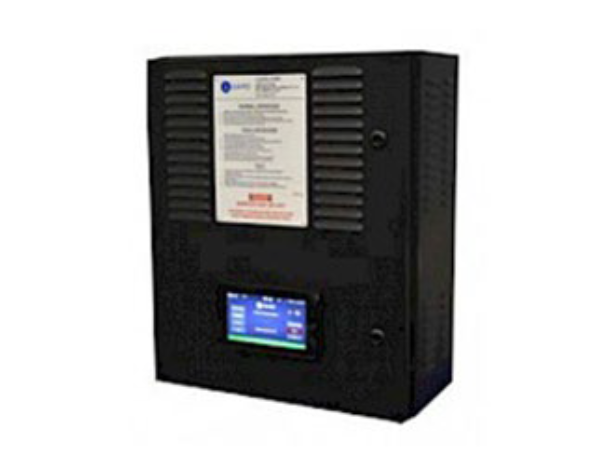
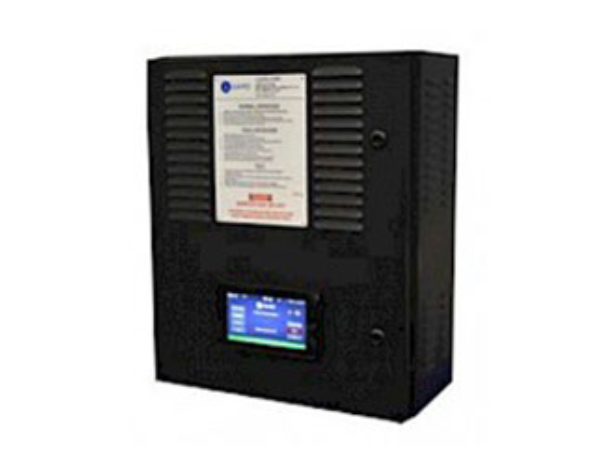
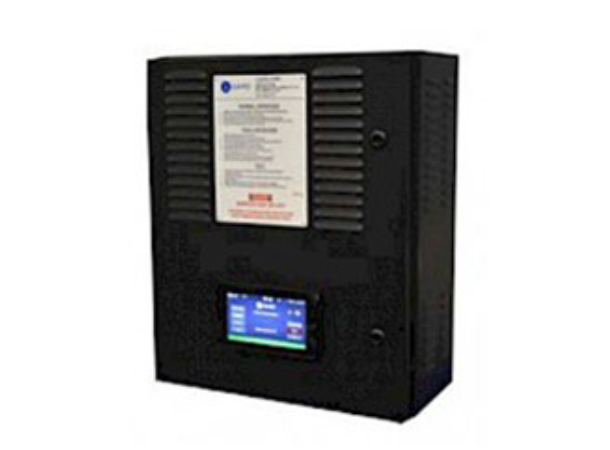
SLEUTH – Industry-Standard Pulsing HRG
Sleuth is I-Gard’s standard High Resistance Grounding (HRG) system, designed to provide dependable first-fault continuity, pulsing-assisted fault location, and continuous resistor path monitoring.
Featuring the SIGMA3-C relay, Sleuth delivers reliable ground-fault detection while continuously monitoring grounding system integrity in compliance with CEC 2024 Rule 10-302.
It detects open circuits, short circuits, and loss of grounding continuity, helping ensure the grounding system remains fully operational and reducing the risks associated with ungrounded or solidly grounded conditions.
Available in a wall-mounted NEMA 3R enclosure, Sleuth includes a doormounted touchscreen display for intuitive configuration, operation, and system monitoring.
GEMINI Fail-safe HRG
Gemini is I-Gard’s patented fail-safe High Resistance Grounding (HRG)
system, designed for applications where uninterrupted grounding continuity is critical.
Gemini combines current-limiting resistor technology, integral ground-fault detection, continuous resistor path monitoring, and a redundant secondary resistor circuit to maintain grounding protection if the primary resistor circuit fails.
Continuous monitoring detects open circuits, short circuits, and loss of
grounding continuity, helping ensure the grounding system remains fully
operational and reducing the risks associated with ungrounded or solidly
grounded conditions.
Available in a wall-mounted NEMA 3R enclosure, Gemini features a doormounted touchscreen display for intuitive configuration, operation, and system monitoring.
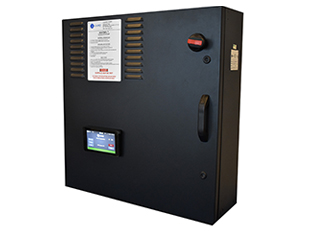
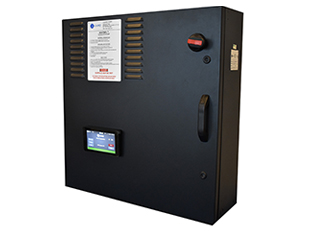
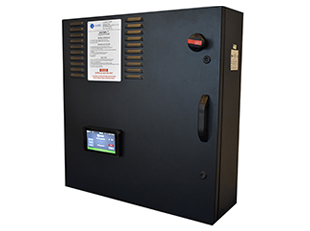
Sentinel – SMART / Advanced HRG for
maximum visibility and control
Sentinel is I-Gard’s most advanced High Resistance Grounding (HRG) system, engineered for critical and complex power systems that require intelligent fault detection, selective coordination, and enhanced arc flash protection.
Powered by I-Gard’s integral DSP relay, Sentinel provides adjustable groundfault alarm or trip functionality, faulted feeder identification, pulsing-assisted fault location, and feeder priority settings to help maintain critical operations during second-fault conditions. It also supports arc flash detection using point sensors, pressure sensors, or fiber-optic sensing to enable faster response and reduce incident energy exposure.
Available in a wall-mounted NEMA 3R enclosure, Sentinel features a doormounted touchscreen display for intuitive configuration, operation, and comprehensive system monitoring.
Typical Applications

Data Centers 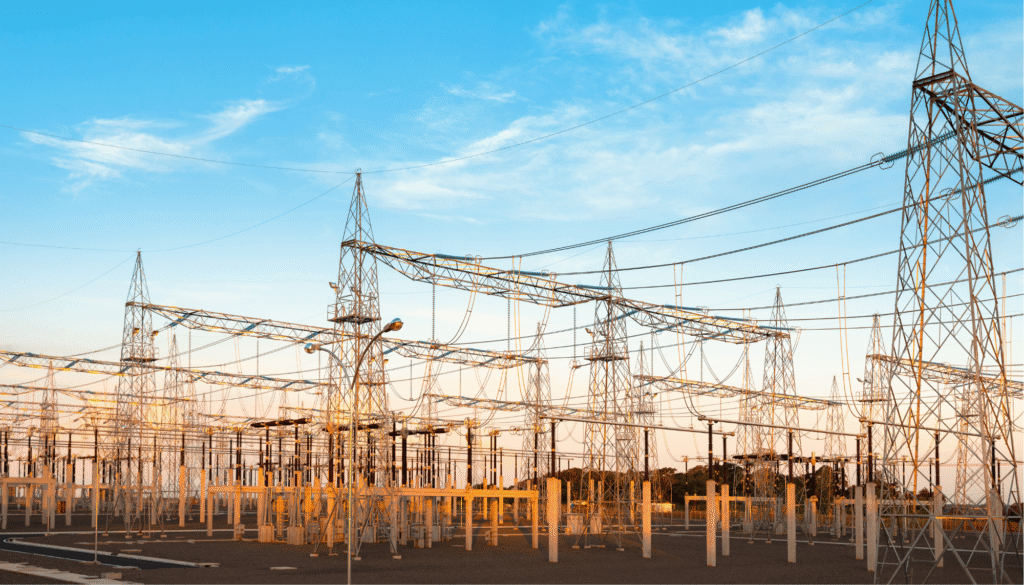
Utilities 
Mining 
Industrial Plants 
Data Centers
Compliance & Standards




Explore Other Solutions

SIGMA3-C (Monitoring Relay) 
DSP-OHMNI (Advanced feederlevel fault detection) 
mGard (Compact HRG solution) 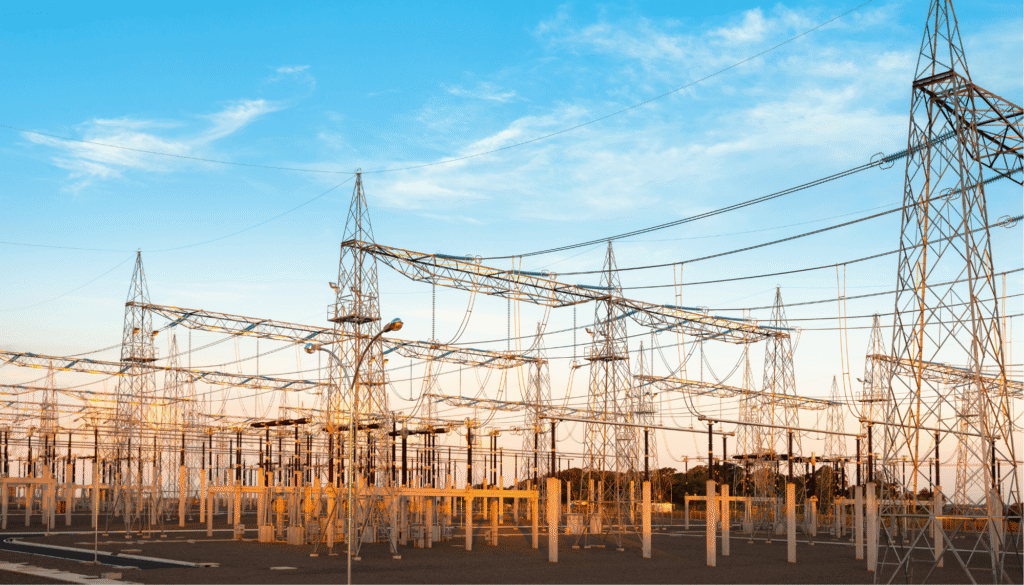
Others
Frequently Asked Questions
Need Help Choosing
the Right Solution?
Our engineering experts are here to help you choose the right product for your application. Whether you need technical guidance, product recommendations, or pricing, we’re ready to assist.