
Electrical Safety & Reliability
Solutions for Mining Operations
Ground-fault protection and continuous monitoring designed to support safe,
uninterrupted operations in demanding environments.
Feel secure with continuous monitoring that protects workers from electrical hazards
Mining Demands More from Electrical Safety
Mining environments place greater demands on electrical safety because of the combination of harsh operating conditions, mobile equipment, complex grounding arrangements, and increased personnel exposure to electrical hazards.
Unlike many conventional industrial facilities, mining operations often involve electrical equipment that moves, operates in wet or conductive environments, and relies on long, frequently relocated power distribution systems. These conditions introduce additional risks that grounding and protection systems must account for. I-Gard solutions help mining operators improve protection against ground faults, arc flash hazards, insulation failures, and more meeting M421 requirements.
Electrical Challenges in Mining
Ground Faults
Ground faults can escalate into equipment damage, production interruptions, and safety hazards if not detected and managed quickly.
Arc Flash Risk
High-energy electrical systems increase the potential for arc flash incidents during maintenance and troubleshooting activities.
Harsh Environmental Conditions
Dust, moisture, vibration, and extreme temperatures place additional stress on electrical equipment.
Transferred Voltage
A ground fault can cause ground potential rise (GPR) at a substation grounding electrode exposing workers to potential shock hazards.
Keeping Workers Safe in Harsh Environments
Many mining facilities utilize resistance grounding because it offers a balance between operational continuity and system prediction.
Benefits:
Detect Faults Instantly

Mining Relay
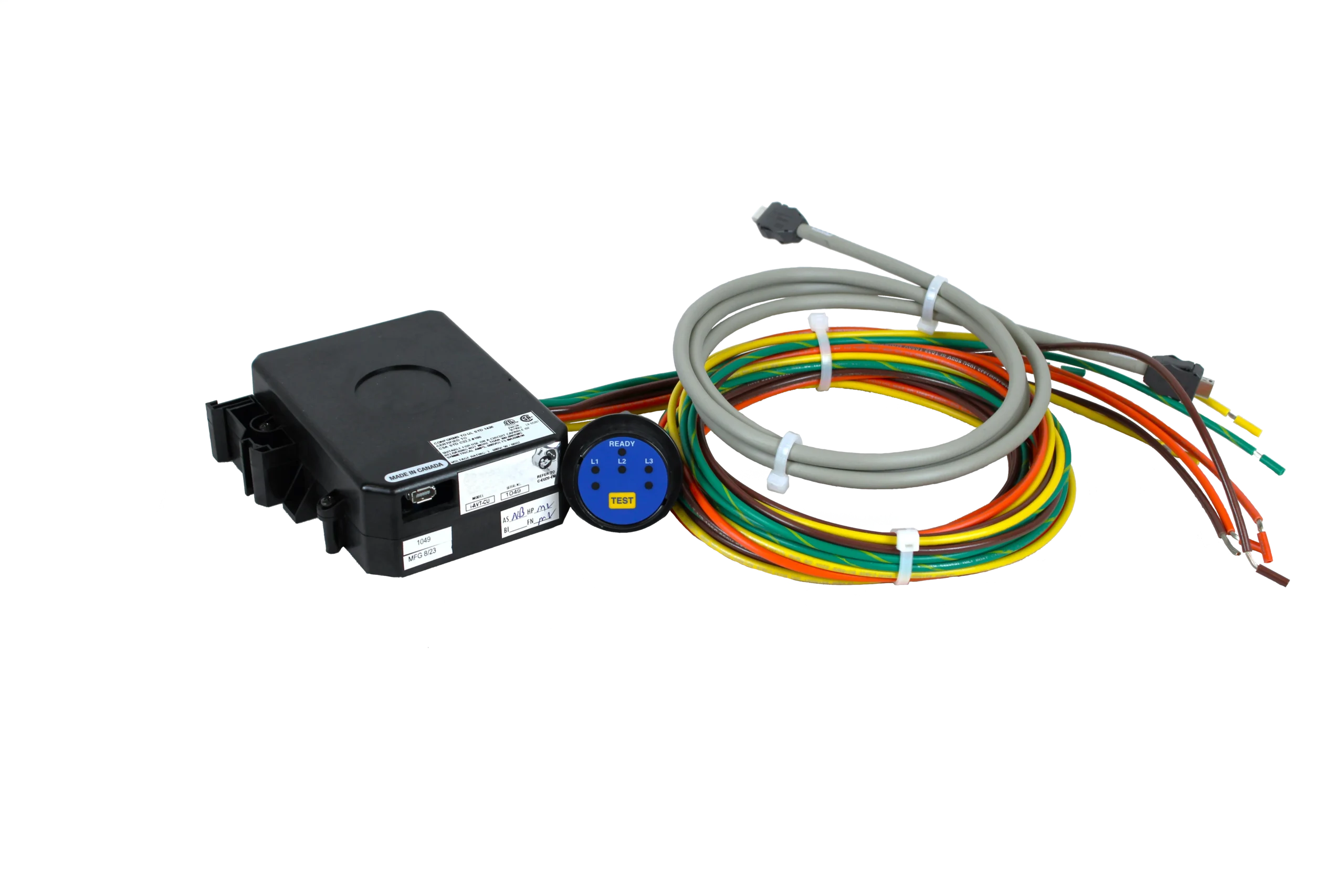
Continuously prove the ground conductor in a trailing cable is intact, and de-energize portable equipment if that path is lost. Frame voltage protection guards personnel against shock at the machine itself.
Used on trailing cable fed portable equipment: shovels, drills, continuous miners, pumps, and other mobile plant.
Primary Benefit: Protect personnel from frame shock voltage when the cable that grounds the machine has failed or a ground fault occurs.
Absence of Voltage Testers
Provide permanently mounted absence-of-voltage verification, allowing qualified workers to confirm equipment is de-energized before opening an enclosure.
Installed on switchgear, MCCs, motor starters, and distribution equipment requiring routine maintenance, inspection, or lockout/tagout procedures.
Primary Benefit: Improve worker safety while simplifying voltage verification procedures.

Impedance Monitoring
Provide continuous monitoring of electrical systems to detect and identify ground faults before they escalate into equipment failures or operational disruptions.
Installed in switchgear, motor control centers (MCCs), substations, and critical process equipment where continuous visibility into system health is required.
Primary Benefit: Faster fault identification and reduced troubleshooting time.
Neutral Grounding Resistors
Control fault current levels and protect electrical equipment from the damaging effects of ground faults.
Used on generators, transformers, and distribution systems throughout mining facilities to support equipment protection and compliance with grounding design requirements.
Primary Benefit: Reduce fault-related damage and extend equipment life.
HRG Systems
Limit ground-fault current while maintaining system operation, helping mining facilities reduce equipment damage and avoid unnecessary shutdowns.
Commonly specified on medium and low-voltage distribution systems serving processing plants, conveyor systems, substations, and critical production equipment where continuity of service is essential.
Primary Benefit: Maintain operations during the first ground fault while improving fault detection and system reliability.
Ground Fault, Ground Check and Frame Voltage
Portable mining equipment fed through trailing cables presents a different problem than fixed distribution. The cable moves, flexes, and abrades, and a break in the ground conductor leaves the equipment frame with no return path. A ground check relay continuously proves that path is intact rather than assuming it, and frame voltage protection guards personnel against shock at the machine.
Together with high resistance grounding on the distribution feeding them, these three functions cover the fault conditions that a mining operation actually encounters: a fault in the cable, a loss of the ground path, and a hazardous voltage on a frame a worker is about to touch.
Why Mining Operations Choose I-Gard
The hazardous conditions found in both underground and surface mining requires robust, well engineered solutions and I-Gard has the necessary application experience and design capabilities to meet this challenge.
Our complete range of products empowers mining facilities to reduce risk of exposure to hazards such as shock and arc flash, reduce downtime due to ground faults and increase the operational life of expensive mining equipment.
Whether there is a need to detect ground faults on trailing cable fed portable equipment and protecting personnel from frame shock voltage or ensuring process continuity through the application of high resistance grounding or tripping on faults or meeting code requirements and monitoring all impedance grounding paths, I-Gard has you covered.
Our expertise extends to pump protection panels protecting against electrical shock in wet environments to arc flash mitigation using optical arc flash relays.
Application questions?
Improve Electrical Safety in Your
Mining Operation
Whether you’re designing a new facility, upgrading existing infrastructure or simply evaluating electrical safety improvements, our team can help identify the right solution.