
Electrical Safety Solutions for
Manufacturing Facilities
Engineered electrical safety solutions help manufacturers keep production running through a ground fault, locate faults in hours instead of shifts, and protect the people working on the line.
Unplanned downtime costs manufacturers money the moment it happens.
Downtime Doesn’t Just Cost Time, It Costs Money
Ground faults are the leading cause of electrical faults in a manufacturing facility’s distribution system, accounting for a minimum of 85% of all electrical faults. For a manufacturer, the real cost isn’t the fault itself. It’s what happens next: a line that stops, a batch that’s ruined, or a shift spent hunting for a problem that could have been located in minutes.
In automotive manufacturing, that cost is amplified by how the industry runs. Many manufacturers and their suppliers operate on “just-in-time” inventory, where a single unscheduled outage doesn’t just stop one line, it can ripple through every downstream process that was depending on it.
In food and beverage manufacturing, the cost shows up differently but hits just as hard. A process that’s interrupted mid-run, whether it’s tempering, roasting, or emulsifying, doesn’t just pause. It can compromise or destroy the entire batch. One food manufacturer’s own experience with a roaster failure makes the point concretely: a ground fault caused a sudden shutdown, trapping a full product batch inside and triggering a meltdown. Because the equipment was unique, a replacement had to ship from overseas. Total losses, including expedited shipping, overtime labor, and lost production, surpassed $100,000, from a single incident.
Based on real-world deployment experience, high-resistance grounding can save a facility anywhere from $1,000 to $5,000 per critical process fault on average, and it has been shown to lower the probability of an arc flash by more than 90%.
Want to see what this could mean for your facility?
Use our downtime cost calculator to estimate the cost of ground-fault-driven downtime and motor failure at your own facility.
Indicative only. Your own production and maintenance records are the better input; an engineer can work through them with you.
Electrical Challenges Manufacturers Face
Unplanned Downtime
A single ground fault can shut down an entire line, and on a just-in-time production schedule, that interruption doesn’t stay contained to one facility.
Equipment and Product Damage
A fault that isn’t cleared quickly can destroy motors, drives, and controls, or ruin a batch that can’t tolerate an interruption partway through.
Personnel Safety
Workers need a way to confirm equipment is de-energized before opening an enclosure, without exposing themselves to live parts to do so.
Arc Flash Risk
An undetected ground fault can escalate into an arc flash, the primary burn hazard for anyone working on or near the electrical system.
Supporting Compliance & Best Practices
Pulp and paper electrical systems are commonly designed and maintained with reference to:
Always consult applicable standards and project requirements when designing electrical systems.
High-Resistance Grounding: Keeping Production Running Through a Ground Fault
Manufacturing facilities have generally tried one of two approaches, and each one creates a different problem.
An ungrounded system has historically been the default in industries like automotive, chosen because it lets production continue through a single ground fault. The trade-off is that these systems are prone to overvoltages that cause insulation failure and equipment damage, and locating the fault is difficult without shutting down the entire system. If a second fault occurs before the first is found, the result can be a severe burn-down.
A solidly grounded system avoids the overvoltage and fault-location problems, but it eliminates them by giving up the thing manufacturers need most: it results in an unplanned equipment outage on the very first fault.
A high-resistance grounded (HRG) system solves both problems at once. It limits the fault current to a safe, controlled level, so production continues through a first ground fault rather than shutting down, while also controlling the overvoltages that damage equipment on an ungrounded system. An alarm alerts personnel to the fault, so it can be addressed on a planned basis instead of as an emergency, and pulsing or assisted fault-location features mean maintenance can find and clear it quickly.
As one independent electrical consultant working with a world-class global automotive parts supplier put it: all high-resistance grounding products offer process continuity under a first ground fault condition, but with most HRG systems, a second ground fault still results in the entire system being interrupted. A system that can isolate just the lower-priority feeder instead, keeping the most critical processes running, is a meaningfully different level of protection.
Products That Keep Manufacturing Running

High-Resistance Grounding Systems (HRG)
What it does: Limits ground fault current to a safe, controlled level, so a single fault doesn’t force an unplanned shutdown.
Example in manufacturing: A facility running a just-in-time production schedule keeps its line running through a first ground fault instead of losing the day’s output while the fault is located and cleared.
Primary Benefit: Avoids the unplanned outage a solidly grounded system would have forced on the very first fault, without the overvoltage risk of staying ungrounded.
SIGMA3-C Relay
What it does: A ground fault relay, impedance monitoring relay, and pulsing relay in one standard unit, verifying the grounding resistor itself stays intact while helping locate a fault once one occurs.
Example in manufacturing: A facility standardizing high-resistance grounding across multiple lines or plants uses SIGMA3-C as the relay in each HRG system, so grounding resistor health is continuously confirmed rather than assumed.
Primary Benefit: Confirms the protection is actually working, not just that a fault alarm would sound if one occurred.
DSP-OHMNI Relay
What it does: An advanced HRG relay that monitors up to 50 feeders and, on a second ground fault, isolates only the lower-priority feeder instead of interrupting the whole system.
Example in manufacturing: This is the capability the automotive consultant quote above describes: the most critical process keeps running even if a second fault occurs elsewhere in the facility.
Primary Benefit: Keeps the highest-priority process running through a second fault, not just the first.

i-AVT (Absence of Voltage Tester)
What it does: Verifies a circuit is de-energized in about ten seconds, without requiring contact with live parts. Tested to UL 1436 and compliant with NFPA 70E.
Example in manufacturing: A maintenance team troubleshooting a faulted feeder can confirm the circuit is safe to work on in seconds, instead of losing additional time to a manual verification procedure, so the safety step itself doesn’t add to the downtime.
Primary Benefit: Removes the highest-risk step in lockout and tagout, without slowing down the return to production.
Case Study
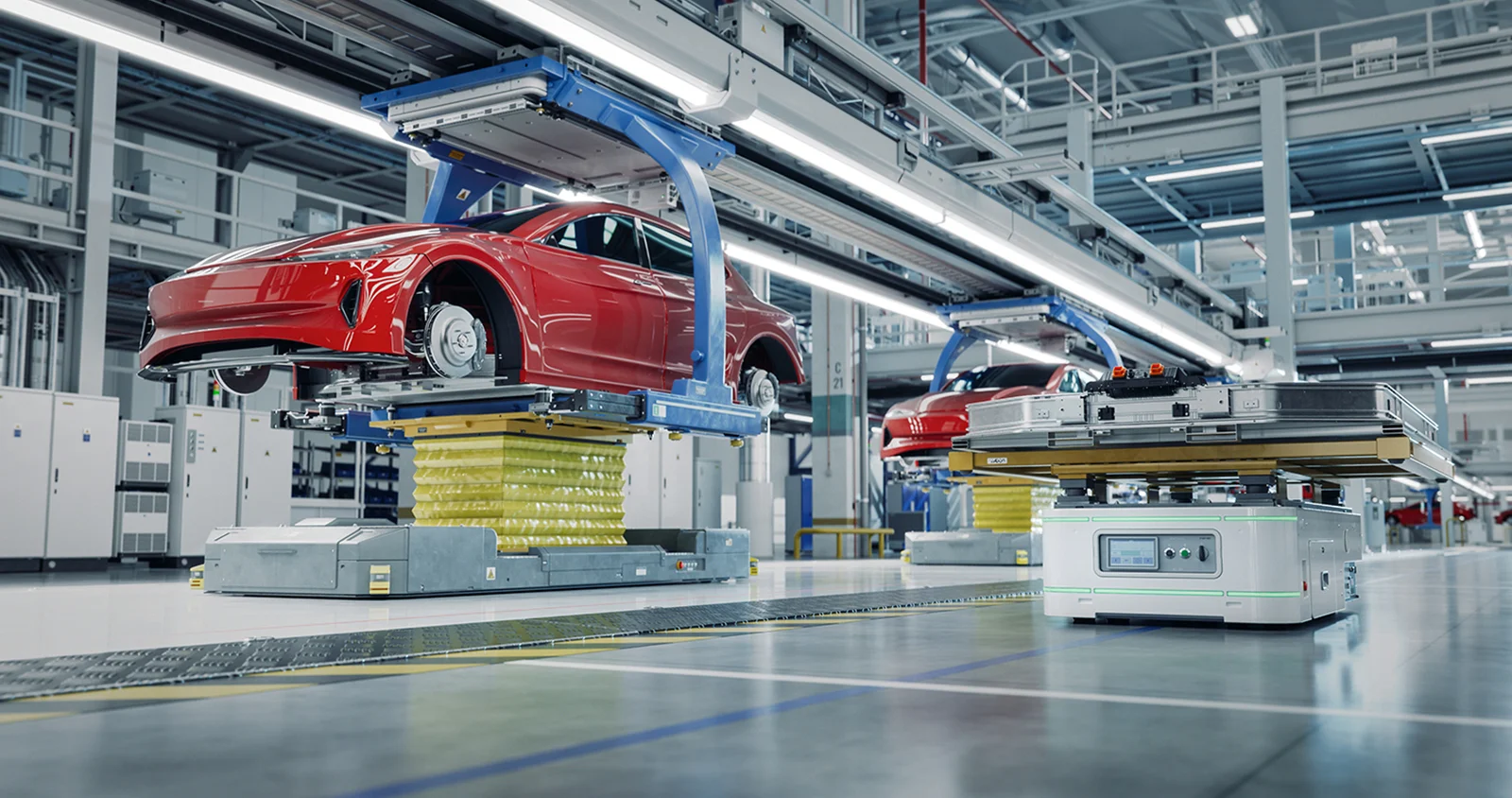
Automotive Manufacturing
A world-class global automotive parts supplier, with 256 manufacturing operations and 82 product development, engineering, and sales centers across 26 countries, standardized high-resistance grounding across its electrical distribution systems, first in North America and then globally, specifically to protect the process continuity that its just-in-time customers depend on.
“We needed to temporarily convert to a high-resistance system. I-Gard had the solution where we were able to locate the fault quickly without taking down the system or disrupting production.”
Case Study
Food and Beverage Manufacturing
For a global food ingredient manufacturer operating hundreds of locations, the case for high-resistance grounding came from direct experience with what an unplanned outage costs. A single roaster failure, caused by a ground fault, trapped a full batch inside and triggered a meltdown. Because the equipment was unique, a replacement had to ship from overseas, and total losses from that one incident surpassed $100,000.
“A successful project isn’t just about the product. It’s about who you choose to partner with, and ensuring they not only have the product you need, but also the commitment to customer service and application expertise.”
Why Manufacturers Choose I-Gard
Process continuity that holds up under a second fault, not just the first. Most high-resistance grounding systems offer continuity under a first ground fault, but the entire system still goes down if a second one occurs. DSP-OHMNI isolates only the lower-priority feeder instead, so the facility’s most critical process keeps running.
Engineering support that shows up, not just a product that ships. One long-time HRG user’s own account makes this point directly: their first vendor’s lack of proper installation and commissioning support made the technology unreliable in the field, while I-Gard’s engineering team, including personal, on-site involvement from its Vice President of Engineering, resolved the same class of problems quickly. A successful deployment depends as much on that support as on the hardware itself.
A portable option when a full conversion isn’t the right first step. Turbo Sleuth is an industry-first portable high-resistance grounding unit, letting a facility get the fault-location benefit of HRG technology immediately, without committing capital to a full-scale conversion before it’s ready to.
Both the resistor and the relay, engineered together. I-Gard manufactures both the current-limiting resistor and the ground fault relay in-house, delivering a system tested together as a whole, not assembled for the first time on site from parts specified by two different companies.

Application questions?
Build a More Reliable Manufacturing Electrical Infrastructure
Whether you’re protecting a just-in-time production line, a continuous process that can’t tolerate an interruption, or a multi-facility operation looking to standardize on high-resistance grounding, I-Gard can help identify the right electrical safety and reliability solution for your facility.